LGBTQ+ movements have become a spotlighted subject all around the world. International integration of different sexualities varies drastically. Whilst 28 countries recognise same-sex marriage, there are 6 that still impose the death penalty for same-sex involvement. With sexuality causing political controversy, science can sometimes shy away from the subject or be underfunded. In this blog I will discuss some of the science surrounding sexuality that has been published and how this contributes to ongoing debates.
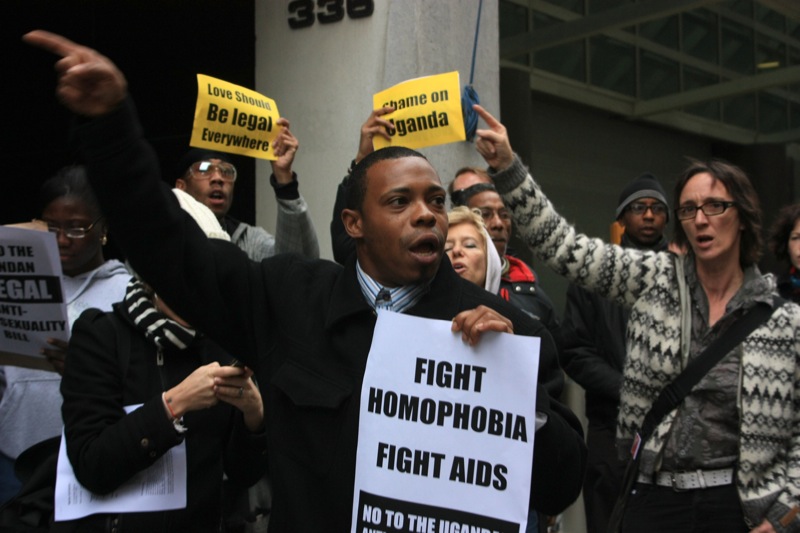
In many debates, there is political power to the phrase “supported by science”, and sexuality is not devoid of this. Amidst the push for an anti-homosexuality act in Uganda there were calls for scientific summaries on the evidence surrounding the causes of homosexuality. Although there was not enough time for a full scientific review to be produced before a decision was made, Professor J Michael Bailey and others decided to produce a comprehensive review on the subject in 2016 to inform future debates.
The 2016 review distinguishes between the “social” and “non-social” hypotheses for the causes of sexual preference. Social explanations perceive sexuality as a result of environment. Early sexual experiences and cultural acceptance of homosexuality being some examples. Non-social explanations focus on the idea of sexuality being pre-determined, including genetic theories. It is important here to express that neither explanation can be validated by the lack of evidence supporting the other. Either scientific hypothesis must be supported by its own evidence when evaluating its validity.
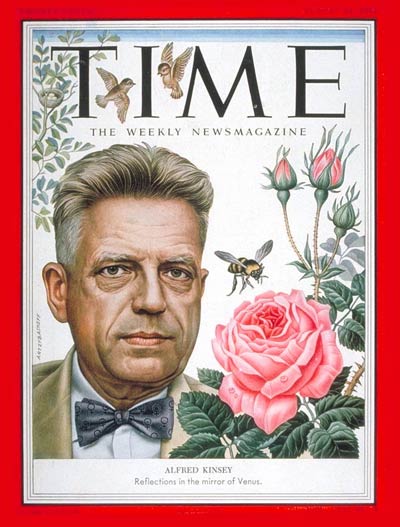
The prevalence of non-heterosexuality in society is a question repeatedly put to science. Early surveys in the 1940’s by Alfred Kinsey produced the notion that “10% of people are homosexual”, a common assertion until modern surveys presented new data. Large scale surveying later occurred in the 1980s in a medical push to inform on the AIDS epidemic. These studies, although focused more on sexual activity than orientation, estimated non-heterosexuals contribute approximately 4% of the population. Recent surveying and the first non-Western study (Samoan males) gave similar estimates. This subject often becomes cluttered by different sampling methods, definitions and focuses leading to a range figures being produced. However, some conclusions can be made with confidence. Notably, non-heterosexuality has contributed a small minority of Western society since the 40s that has stayed consistent despite much increased tolerance.
The role of hormones in sexuality is of scientific interest. One potential theory is the organisational theory. This suggests a link between sexuality and developmental hormones, particularly in forming the brain. Studies into other species have shown differences in some regions of the brain can pertain to different sexual behaviours. Namely, male mice showing female mating behaviours and male sheep mounting exclusively other males. Limitations in this area include: the measures used (i.e. mounting) are not well mapped to human sexuality and it would be expected that developmental hormones would lead to more physical differences.
Molecular studies have looked at identifying any genetic differences between individuals of different sexuality. A series of sibling studies by Dean Hamer in the 90s looked into the heritability of sexuality. He looked to find chromosomal regions consistent throughout 40 pairs of homosexual brothers. His results showed a shared region on the X chromosome. He also suggests that homosexual men are more likely to have homosexual male relatives on their mothers’ side. However, the sample size of this study was small, and replications did not yield the same results, indicating a larger scale study may be needed to identify any differences. 23andme carried out a larger study. They conducted a Genome-wide association study on almost 24,000 people of varying sexual orientations and found no significant effects.

Sexuality has also been considered from an evolutionary perspective, looking into the benefits of same sex attraction. In these examples rather than modelling human sexuality, they used androphilia and gynephilia (meaning attraction to males and females respectively). The first theory was one of kin selection, and the role of androphilic males in a family group. It is suggested that androphilic males could improve the reproductive success of other family members. Evolution should not be considered as affecting a group, rather each individual separately. The benefit here would be to the androphilic males’ mother, who may improve other offspring’s fitness (and therefor her own) through having an androphilic son. Some research has been carried out into this topic, but the theory is not largely supported.
An alternative theory is that a gene for androphilia is sexually antagonistic. This means that both males and females may be carriers, however is reproductive benefit to females but a fitness cost for male. This has been supported by studies in Western populations that showed females with androphilic sons or nephews express an increased reproductive rate. However, the evidence is inconclusive, Western societies have much lower reproductive rates than would have been typical for much of human evolution. Additionally, specifying female relatives ignores effects male ancestors have on the genetics of the androphilic males. This theory and kin selection both struggle to explain balancing the fitness cost that comes with having a non-reproductive child.
Science does not have a definitive answer to many questions surrounding sexual orientation. Neither causes or evolution of non-heterosexuality have been fully explained. It has been shown to be a constant in human society. The more important questions, in my opinion, are matters of philosophy and ethics. Future research needs to be careful of what questions they are asking. It is an important subject to research to aid understanding and support the politics of LGBTQ+ acceptance, however it is crucial to consider the safety of the community. Research that could potentially be misinterpreted or used maliciously to support anti-LGBTQ+ actions needs to exercise caution in presenting data and conclusions.
Useful Links:
Review in response to Uganda: https://journals.sagepub.com/doi/10.1177/1529100616637616#_i22
The guardian on the Ugandan anti-homosexuality laws: https://www.theguardian.com/world/2015/jan/06/-sp-gay-ugandans-face-new-threat-from-anti-homosexuality-law
Maps of sexual orientation: https://ilga.org/maps-sexual-orientation-laws
 The Colour of Life